A three-session workshop totaling 12 hours of instruction
Sunday Oct. 11th 10 am - 3 pm (build day)
Sunday Oct. 18th 10 am - 3 pm (build day)
Sunday Nov. 8th 10 am - 12 pm (glaze day)
$350 per person; taxes calculated at checkout
New to coil-built pots? Want to learn how to build bigger and taller? This workshop is for you! In this three-part series, we'll learn the process step by step for creating your very own coil pot anywhere between 12” to 24” tall.
We'll discuss key questions, like: How do you plan out a coil pot? What should you consider before starting out—and what parts can you improvise as you go?
We'll talk through considerations for building on a larger scale, especially constructing a sturdy base that won't crack. We'll also face the dreaded lumpy-coil-problem and come out stronger on the other side. To blend or not to blend? We'll explore it all!
In the last class, we'll go over finishing techniques, like surface shaping, carving, and design, and brainstorm how to glaze something that doesn’t quite fit in a glaze bucket.
Come learn about the amazing world of coil—the possibilities are limitless!
Materials: All tools, materials, and firings are provided. Each student will receive a 25 lb bag of stoneware clay to create with. Just bring yourself and your creative ideas, and leave with your own big, dumb pot!
Experience: Some clay experience (wheel throwing or handbuilding) is recommended for this workshop.
Instructor bio: Pam Kranyak is a ceramic artist and instructor based in Seattle. They specialize in large-scale abstract vessels built using the coil method. They love creating oversized work, which they see as an exercise in silliness, persistence, and joy. Pam enjoys helping students build solid technique and confidence in coil. They break down the process into manageable pieces, focusing on foundational skills that, when applied over time, allows a student to build strong, towering pieces. Pam’s teaching style is both irreverent and earnest. Their background in education and mental health work gives them the tools to support students by asking open-ended, generative questions. Pam’s favorite thing about teaching is seeing a student figure things out in real time and start listening to their own artistic voice.
All classes and sales are non-refundable.
A three-session workshop totaling 12 hours of instruction
Sunday Oct. 11th 10 am - 3 pm (build day)
Sunday Oct. 18th 10 am - 3 pm (build day)
Sunday Nov. 8th 10 am - 12 pm (glaze day)
$350 per person; taxes calculated at checkout
New to coil-built pots? Want to learn how to build bigger and taller? This workshop is for you! In this three-part series, we'll learn the process step by step for creating your very own coil pot anywhere between 12” to 24” tall.
We'll discuss key questions, like: How do you plan out a coil pot? What should you consider before starting out—and what parts can you improvise as you go?
We'll talk through considerations for building on a larger scale, especially constructing a sturdy base that won't crack. We'll also face the dreaded lumpy-coil-problem and come out stronger on the other side. To blend or not to blend? We'll explore it all!
In the last class, we'll go over finishing techniques, like surface shaping, carving, and design, and brainstorm how to glaze something that doesn’t quite fit in a glaze bucket.
Come learn about the amazing world of coil—the possibilities are limitless!
Materials: All tools, materials, and firings are provided. Each student will receive a 25 lb bag of stoneware clay to create with. Just bring yourself and your creative ideas, and leave with your own big, dumb pot!
Experience: Some clay experience (wheel throwing or handbuilding) is recommended for this workshop.
Instructor bio: Pam Kranyak is a ceramic artist and instructor based in Seattle. They specialize in large-scale abstract vessels built using the coil method. They love creating oversized work, which they see as an exercise in silliness, persistence, and joy. Pam enjoys helping students build solid technique and confidence in coil. They break down the process into manageable pieces, focusing on foundational skills that, when applied over time, allows a student to build strong, towering pieces. Pam’s teaching style is both irreverent and earnest. Their background in education and mental health work gives them the tools to support students by asking open-ended, generative questions. Pam’s favorite thing about teaching is seeing a student figure things out in real time and start listening to their own artistic voice.
All classes and sales are non-refundable.

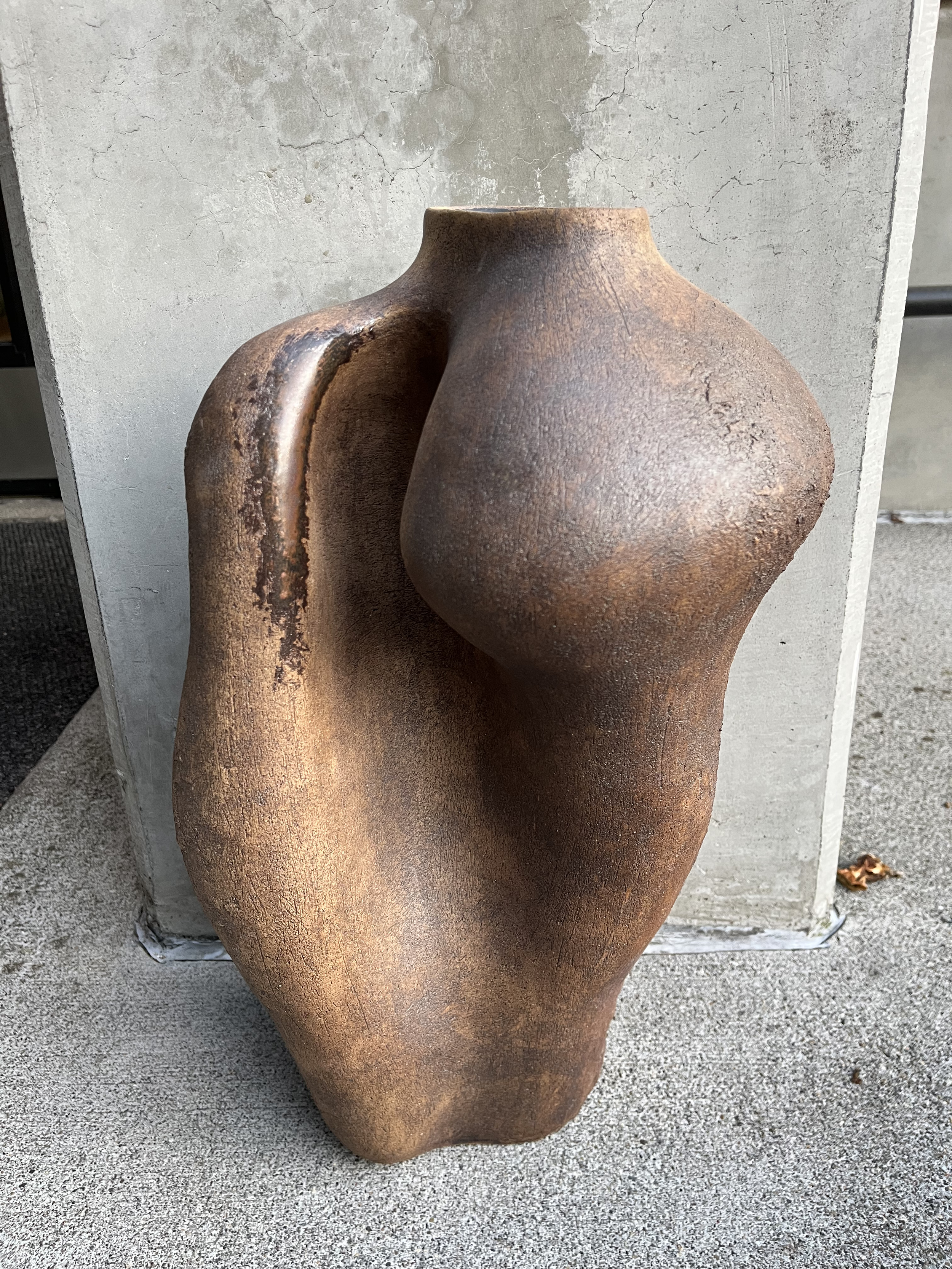 Image 1 of 6
 Image 2 of 6
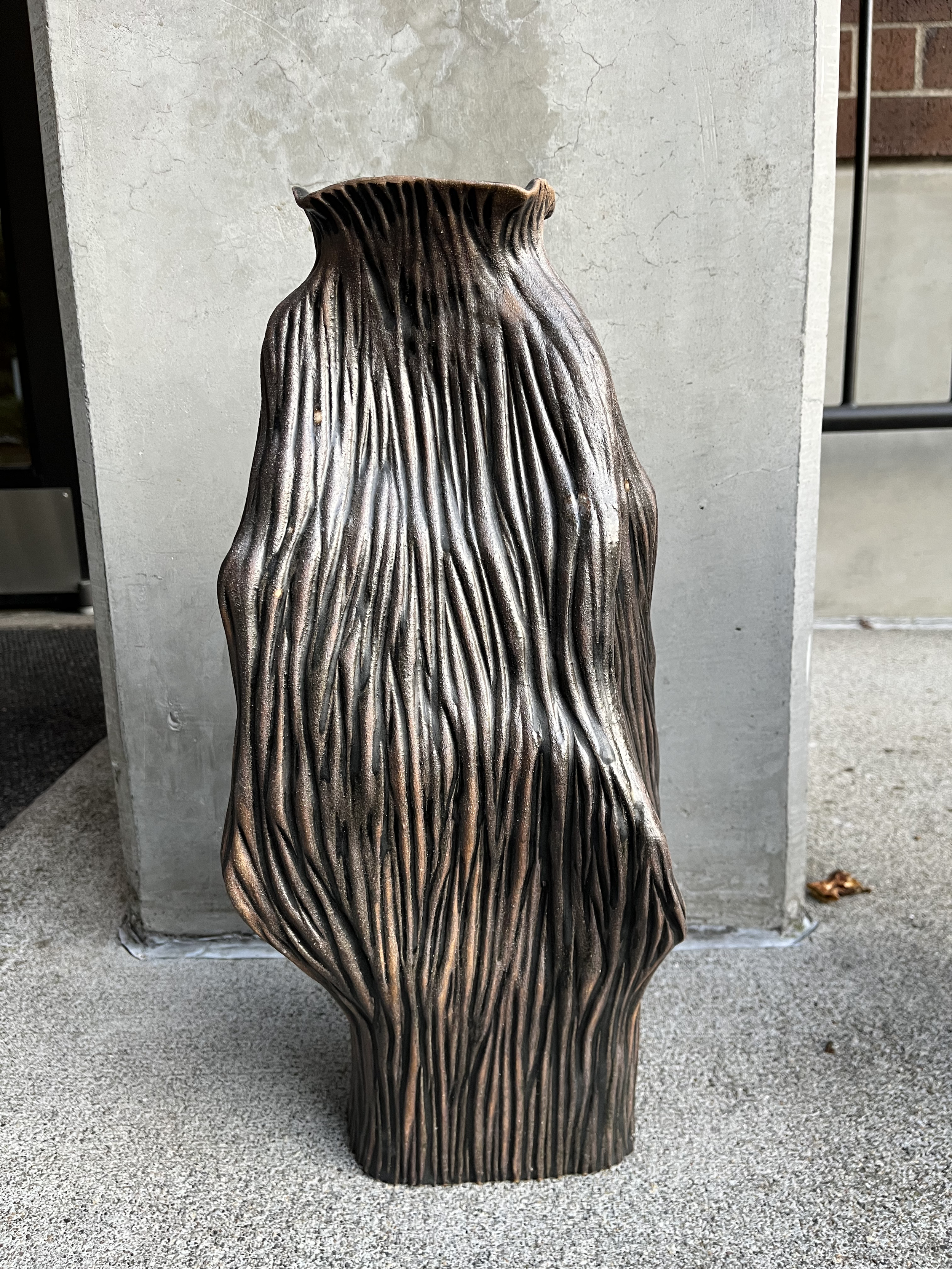 Image 3 of 6
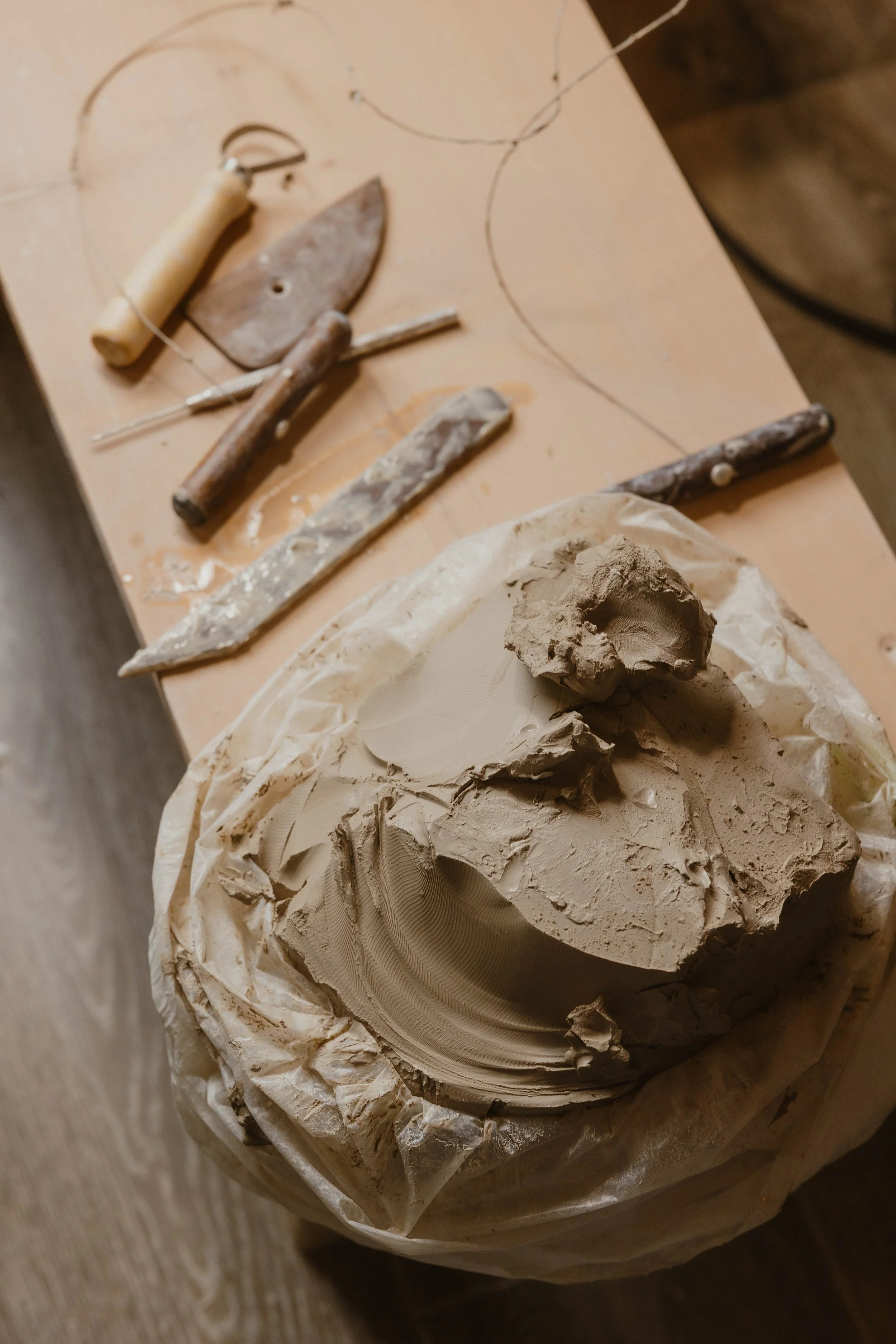 Image 4 of 6
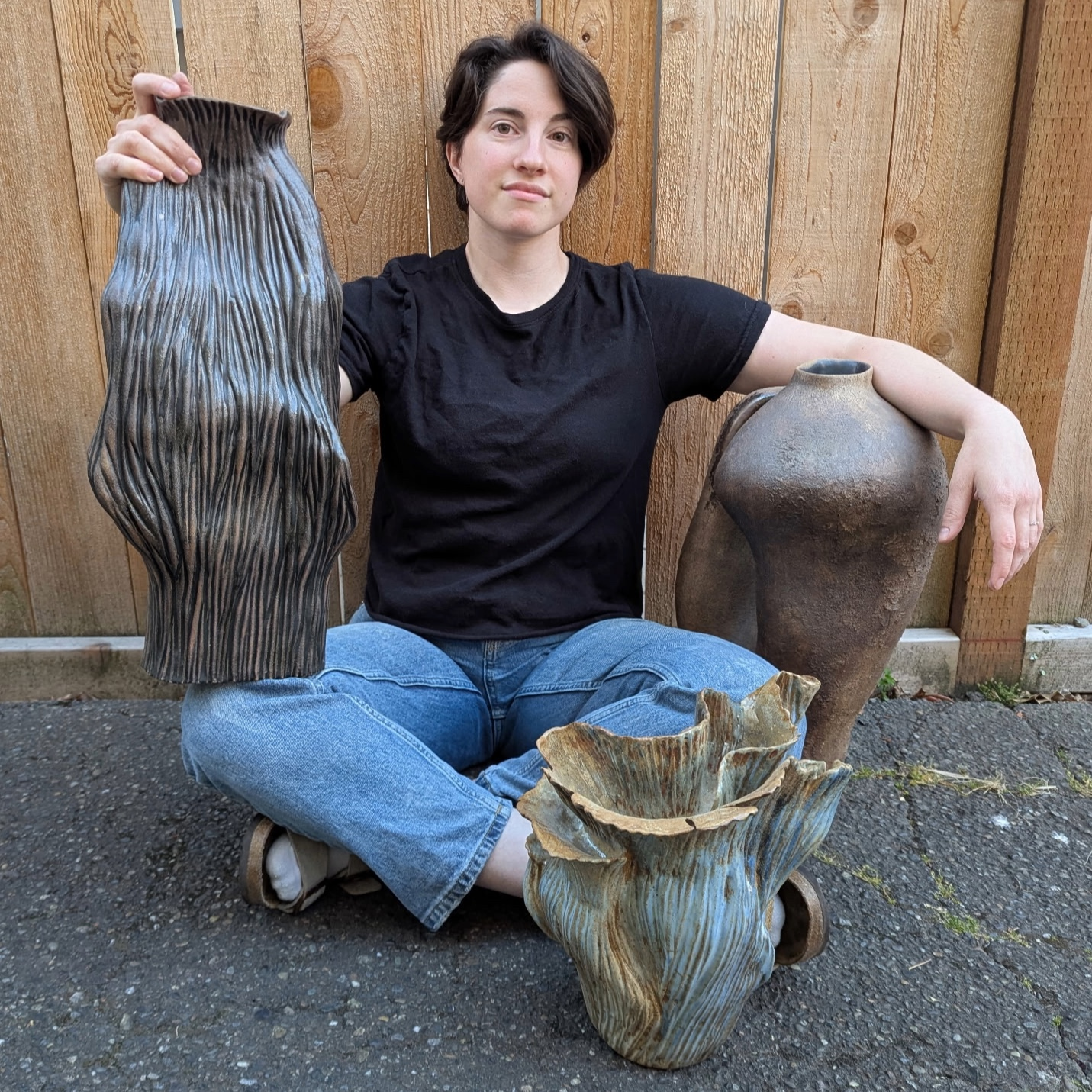 Image 5 of 6
 Image 6 of 6